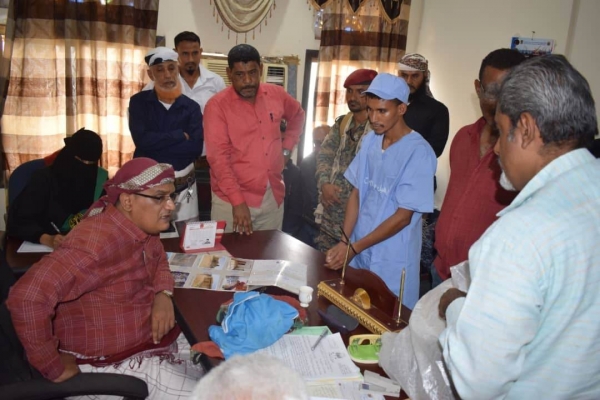
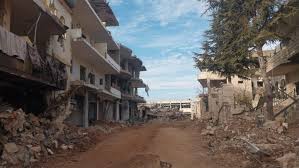
The head of the Seyaj Organization, Ahmed Al-Qurashi, stated that “stopping the war and establishing a lasting peace is the path to ending the suffering of Yemenis, especially vulnerable and marginalized groups such as children and women, and achieving stability for Yemen and the region.”
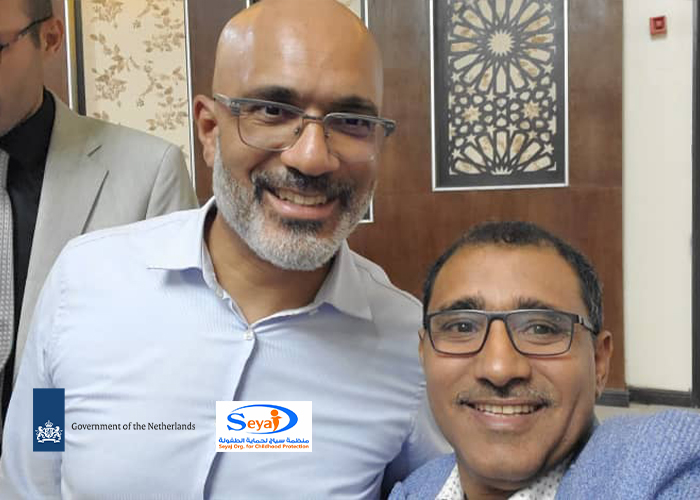
During his meeting with the Ambassador of the Kingdom of the Netherlands, Peter Hof, and the Humanitarian Coordinator for Yemen, Syria, and the region, Martina van der Duis, the head of Siyaj emphasized that the peace they aspire to must achieve justice and reparations for victims and their families, strengthen the rule of law and state institutions, and contribute to the transition to a phase of reconstruction, development, and self-recovery, while also promoting human rights and holding accountable those involved in committing any war crimes and crimes against humanity.
The head of the Siyaj organization praised the significant role that the Kingdom of the Netherlands and its embassy have played and continue to play in Yemen in supporting development and human rights since the 1960s. The Dutch diplomatic delegation called for efforts to be made to reconsider the criteria for selecting national organizations as partners, so that they are genuinely given priority in obtaining funding and implementing relief, protection, and development projects.
For his part, Ambassador Hoff affirmed his government’s commitment to continuing to alleviate the suffering caused by the war on Yemenis and to support efforts to establish peace and development in the country. He explained that national civil society organizations are essential partners in the emergency humanitarian intervention, development, and human rights programs supported by the Dutch government.
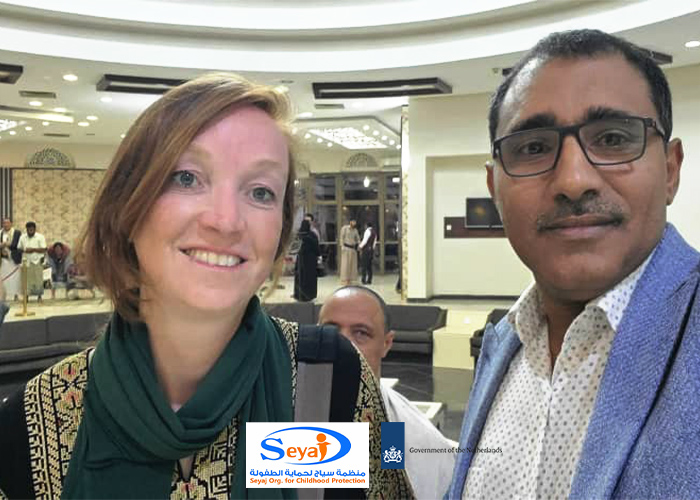
While the Humanitarian Coordinator for Yemen, Syria, and the region, Ms. Martina van der Duis, explained that the aim of this visit was to listen to the opinions and proposals of Yemeni civil society organizations regarding humanitarian aid and to work with everyone to ensure greater benefit for those affected by the war and displacement.
The Director General of Social Affairs in Marib Governorate, Abdulhakim Al-Qaisi, confirmed the continued suffering of more than three million displaced people in the governorate due to the lack of humanitarian aid and threats to their security from shelling, anti-personnel mines, and other dangers that many children, women, and civilians, both residents and displaced persons in the governorate, are still exposed to. He pointed out that these needs and threats exceed the capacity and capabilities of national organizations, most of which operate with self-reliance and extremely limited funding. Several leaders of human rights and relief organizations also presented numerous observations and proposals, particularly regarding the criteria for selecting and supporting local organizations, which have been and continue to be a reason for depriving the majority of national organizations of international partnerships and support. Yemen – Marib: February 22, 2023.