
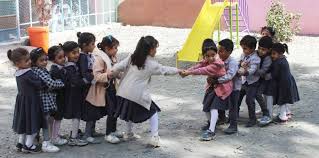
Project Name: “My School Bag”
Within the “Siyaj Program for Empowering Children to Exercise Their Right to Education”
Implementing Agency: Siyaj Organization for Child Protection
Funding Agency: Act Now – Thailand
Location: Yemen – Al Hudaydah Governorate – Az Zuhrah and Al Luhayyah District
Date: June – October 2010
Project Background and Objectives:
Based on the fundamental right of all children to access education and enjoy an attractive learning environment, the “My School Bag” project, implemented by Siyaj Organization for Child Protection as part of the Siyaj Program for Empowering Children to Exercise Their Right to Education, aims to assist children, especially girls, in remote areas. The project aimed to improve the educational environment in impoverished and remote areas, and to provide information and data on the problems that prevent children from accessing their right to basic education.
The targeted area was Al Hudaydah Governorate in western Yemen. The project focused on rural areas in the districts of Az Zuhrah and Al Luhayyah, where more than 242,138 people live, according to the latest population census in 2004.
These areas lack many basic services such as schools, hospitals, paved roads, and public services. Even where services exist, they are scattered and insufficient for the population.
Most residents of these areas cannot afford essential school supplies such as school bags and their contents, including notebooks and pens. This is one of the main reasons that limits children’s enrollment in basic education and a major cause of school dropout.
The schools available in rural Al Hudaydah Governorate in general, and in the districts targeted by the project in particular, lack many of the essential elements to fulfill their role as educational facilities. Educational facilities such as chairs, tables, and blackboards are lacking, not to mention recreational and attractive amenities for children. There are no playgrounds or equipped play areas, in addition to a shortage of teachers and inadequate training for those who are present.
The high poverty rates exacerbate the suffering of children in these areas, leading many parents to refrain from sending their children to school. A study conducted by the Seyaj Organization for Child Protection in 2009 revealed that more than 75% of children in Al-Zahra district were not enrolled in school. One of the main reasons for this was the inability to provide school supplies (22%) and the poor condition of existing schools (25%). src=”http://ar.seyaj.org/content/uploads/sites/3/2016/04/three-300×120.jpg” alt=”three” width=”300″ height=”120″ />
The project, implemented by the Seyaj Organization in partnership with the Thai organization Act Now, aimed to alleviate the suffering of families and children in these remote and underserved areas by providing school supplies such as bags, pens, and notebooks to a number of primary school students. The project also included providing recreational games to several schools as a means of attracting and entertaining the children.
Project Description:
The project was based on two main activities:
Activity One: Providing 500 children with complete school bags.
This activity targeted 3 primary schools in the district Al-Zahra has the highest school dropout rate in the Republic of Yemen. There are also two villages, Al-Hakim and Al-Kashif, where no child has ever attended school.
The selected schools serve 10 surrounding villages. These are the villages where the field survey was conducted in the first phase of the “Education: Hope for the Future” program in 2009. Approximately 457 families reside in these villages, with a total of 1,118 children.
Based on the results of the preliminary field visit and the meetings between the working group and the school principals The officials in the region have determined the need to increase the number of targeted children to cover the first and second grades in the three schools*, in order to achieve the project and program’s objective.
Since the program primarily aims to raise awareness in the local community about the importance of education and motivate them to send their children to school and consider education a priority, the team worked to link the implementation of activities with introducing the program and its objectives, and to utilize the activities to raise awareness among parents and encourage them to enroll their sons and daughters in school.
On October 10-12, 2010, school bags were distributed to 1,000 children in the targeted villages, representing 200% of the planned target.
On the first day, the project was launched in the presence of the Director of Al-Zahra District, Mr. Abdul Rahman Al-Rifai, along with local sheikhs, participating school principals, and parents. 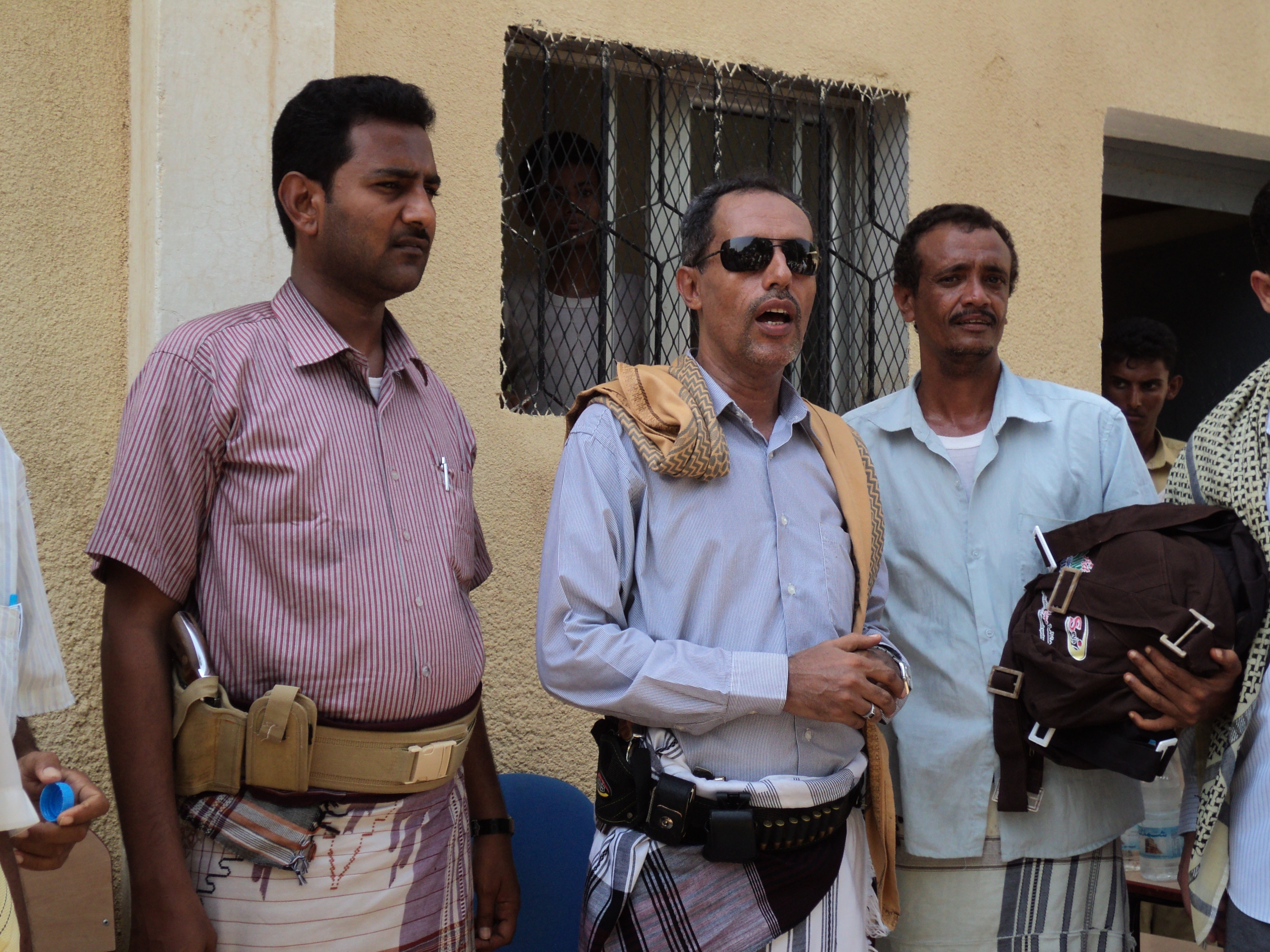
The bags were distributed according to the following table:
|
· The justifications are mentioned in the first interim report – attached
|
|
M |
School Name |
Number of Beneficiaries |
Gender Male Female |
Notes |
|
|
1 |
Al-Hasan ibn Ali |
310 |
The difference in number was distributed among orphans and girls in the classes Advanced |
||
|
2 |
Green Valley |
300 |
|||
|
3 |
Success by Al-Rafi’i |
320 |
|||
|
Total |
930 |
||||
Activity Two: Distributing recreational and educational games to 20 Primary School.
Based on the criteria set by the project team*, the installation of volleyball courts in schools was selected. Twenty schools in the Az-Zuhrah and Al-Luhayyah districts were chosen to contribute to creating a child-friendly learning environment.
Sixteen schools in the Az-Zuhrah district and four schools in the Al-Luhayyah district were targeted. Coordination was carried out with the Ministry of Education office in each district and the local authority. This activity was implemented from September 4-18, 2010.
The selected schools are distributed within an area of 4,800 square kilometers. The project team focused on introducing the organization and its work during the implementation of the activity, which will greatly facilitate the organization’s future activities.
Expected Outputs and Results:
1- 500 children will have the necessary supplies to attend school.
|
m |
category |
5 |
Ruler |
1 |
|
6 |
Sharpener |
1 |
||
|
7 |
Area |
2 |
||
|
8 |
Wooden Color Box |
One Box |
||
|
9 |
|
One Bag |
2-500 children: A significant portion of the problem of their non-attendance at school has been resolved.
This result was achieved during the first activity (distributing bags and supplies). The project team focused on ensuring the children’s continued school attendance by obtaining a written commitment from each parent, pledging to ensure their son or daughter’s regular attendance throughout the academic year.
The written commitment was overseen by the local authority official in the district and the monitoring officials in each village.
This simple procedure will obligate parents and increase their desire to continue their children’s education, as it will provide appropriate community oversight and encouragement. Keeping pace with others in educating their children to ensure their continued school attendance.
The project team conducted extensive publicity for the project two weeks prior to distribution, which helped motivate many impoverished families to register their children in schools so they could be included in the distribution.
Impact Achieved:
• Increased school enrollment rate.
The (Siyaj Program for Empowering Children to Exercise Their Right to Education), of which this project is a core component, focuses on raising awareness among vulnerable groups in the targeted local community about the importance of education and encouraging them to enroll their children. Furthermore, implementing activities with a direct, short-term impact significantly strengthened these people’s desire to educate their children. Based on the project’s initial results, it is clear that this project has had a positive impact on children’s and families’ desire for education. This suggests a significant shift in the local community’s attitude towards education and increased child enrollment in the medium term. And the distant.
• Improving the educational environment.
Volleyball courts were provided to 20 rural schools lacking all recreational and engaging facilities for students. These courts will be an attraction for students, increasing their desire to stay at school and enjoy playing together.
Indicators:
|
Indicators |
Actual Results |
|
Assisting 500 children with complete school bags |
Number of children: 1000 boys and girls Number of bags: 1000 bags (200%) |
|
Distributing recreational and educational toys to 20 schools |
Number of schools: 20 schools (100%) |
Follow-up and evaluation:
(The Siyaj and Act Now organizations provided us with bags, notebooks, and pens; all we have to do is send our children to school.) Abdullah Darwish – Parent
(The Siyaj organization was the first to deliver the bags to the middle of the desert.) Mohammed Belm – Teacher
(After the distribution of the bags, all five of my children were able to go to school.) Fatima, widow and mother of one of the beneficiary students.
2) Interim Assessment: Short-Term Results
It can be said that the distribution of school bags to the children, along with the accompanying media campaign and the presence of the responsible government agencies, This led to a remarkable increase in child enrollment rates in the targeted schools.
Based on the 2009 study conducted by the Seyaj Organization for Child Protection, the attached table shows the child enrollment rates in the three schools targeted by the project before and after the project.
* The table below compares the increase in the number of students in the first three grades of basic education in three schools in Al-Zuhra District, Al-Hudaydah, in the academic year 2010-2011 compared to the previous two years for the same schools and grade level (2008-2009).
|
No |
Benefit schools |
Year |
||||||||
|
2008- 2009 |
2009-2010 |
2010-2011 |
||||||||
|
1st -3rd grade |
1st – 3rd grade |
1st -3rd grade |
||||||||
|
male |
Female |
total |
male |
female |
Total |
male |
female |
total |
||
|
1 |
Al-Najah in Al-Rafe’e |
142 |
41 |
183 |
45 |
15 |
161 |
50 |
12 |
382 |
|
2 |
Al-Hasan Ben Ali in Moslaiba |
77 |
67 |
144 |
18 |
20 |
206 |
30 |
25 |
233 |
|
3 |
Al-Wadi Al-Akhdhar |
85 |
45 |
130 |
26 |
11 |
248 |
55 |
20 |
391 |
The table shows a significant increase in the number of children enrolled in schools, with an average increase of 240.44% across the three schools. This is a very high percentage and reflects the project’s success in bringing a large number of children into education.*
The previous results demonstrate the remarkable success achieved by the project in these rural communities, which had not previously received such support.
3) Long-term evaluation: