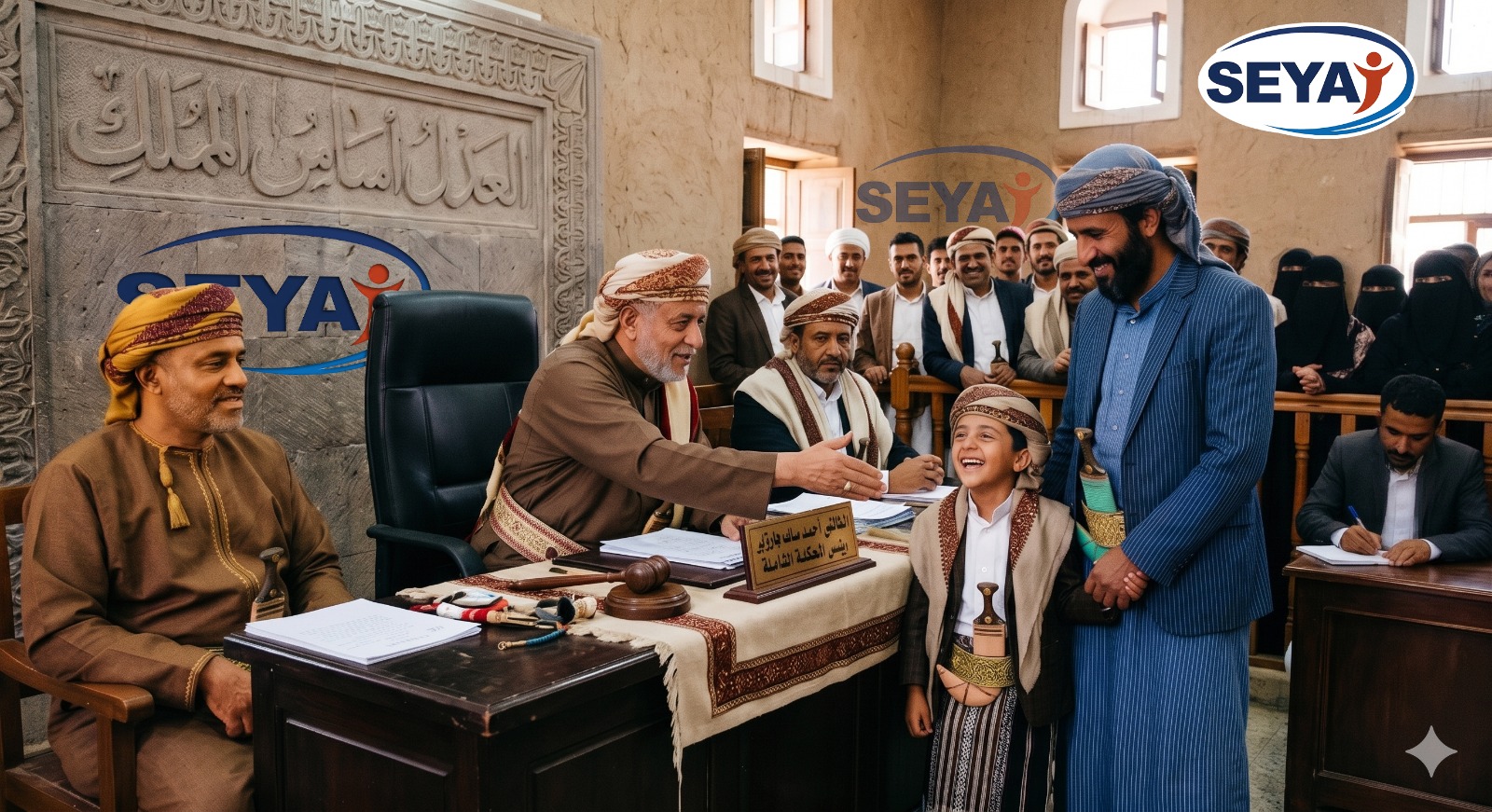
In the context of human rights work, specifically regarding child protection advocacy adopted by SEYAJ Organization for Childhood Protection, “Safeguarding Standards” are classified as an ethical and legal framework aimed at protecting victims and witnesses from further harm during monitoring, documentation, or media advocacy operations.When addressing crimes and violations that necessitate the rigorous application of safeguarding standards, we refer to violations that place the victim in a state of structural vulnerability or exposure to reprisal. These categories include:I. Critical Crimes and ViolationsSexual Violence and Exploitation: This encompasses all forms of sexual abuse perpetrated against children, requiring maximum privacy and non-disclosure of identity to prevent social stigma.Forced Recruitment and Exploitation in Conflicts: Violations involving the involvement of children in military or security operations, where any disclosure of their data is considered a direct threat to their personal safety by parties to the conflict.Arbitrary Detention and Torture: Cases of children detained extrajudicially in the absence of fair trials, where advocacy acts as a double-edged sword; it may either exert pressure for their release or expose them to further mistreatment.Human Trafficking and Economic Exploitation: Violations associated with the smuggling of children or their employment in forced or hazardous labor conditions.II. Safeguarding Standards in Advocacy (Practical Application)To ensure advocacy is consistent with safeguarding standards, the following principles must be upheld when addressing these violations:The “Do No Harm” Principle: A risk assessment must be conducted to determine whether disclosing a specific violation could lead to reprisals by the perpetrator against the victim or their family. If the risk is high, identifying details must be redacted.Informed Consent: Obtaining clear, prior consent from the victim (or legal guardian, if the child is unable to express consent), with a comprehensive explanation of how the information will be utilized and its potential implications.Absolute Privacy and Confidentiality: Using pseudonyms and modifying details that could lead to the identification of the victim (e.g., precise geographical locations, schools, or sensitive family details).Prevention of Re-traumatization: During evidence gathering or interviews for advocacy purposes, victims must not be compelled to recount traumatic experiences if it adversely affects their psychological well-being, while simultaneously ensuring access to psychological support.Data Security: Encrypting all documentation containing sensitive information and ensuring restricted access by unauthorized parties, particularly in regions lacking legal protection frameworks.Methodological Note on AdvocacyIn human rights reporting—specifically regarding the monitoring of violations across the 15 Yemeni governorates that lack specialized juvenile courts and prosecutions—the focus is placed on the “legal characterization of the violation” (based on International Humanitarian Law and the Rome Statute) as an advocacy tool, rather than focusing on personal narratives that may compromise the victim’s identity. This shift from “storytelling” to “delineating systematic policy” regarding violations constitutes the core of safeguarding practice in professional advocacy.