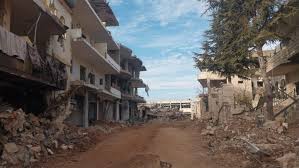
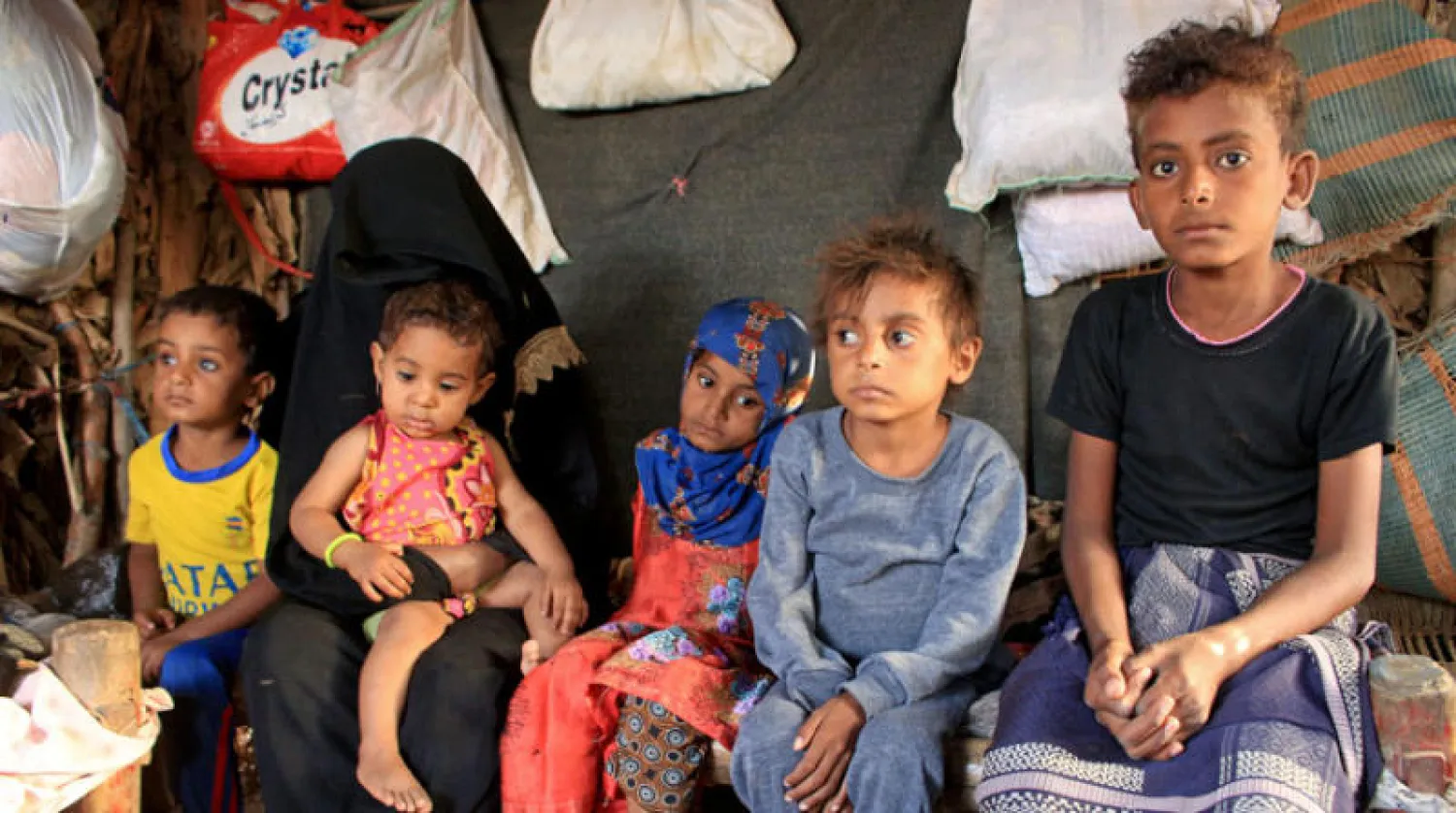
The mechanisms and institutions for child protection and care in Yemen have steadily collapsed since Ansar Allah (the Houthis) took control of Sana’a on 21 September 2014, followed by the expansion of armed conflict across the country and the emergence of multiple armed forces. The Saudi-led coalition’s military intervention on 26 March 2015 deepened this reality.
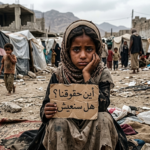
Since then, rates of violations, serious crimes, exploitation, and abuse against children have sharply increased. The brutality and persistence of the armed conflict for nearly eight years have caused severe harm to around 15 million children. This is a natural result of weakened state institutions, the control of armed militias over security, justice, education, health, and humanitarian aid, and the commission of crimes against child-protection institutions themselves, including repression, closure, confiscation, killing, abduction, and torture of human rights defenders.
At the same time, access to funding has become increasingly difficult because organizations are screened according to loyalty to the controlling party on the ground, and sharp polarization has redirected the work of rights organizations toward serving parties to the conflict rather than protecting victims.
Political, social, and geographic divisions, economic and security collapse, the vulnerability of large segments of society, and the negative role of parts of the private sector in protecting human rights have together caused the full or partial suspension of many government and non-government services. As a result, Yemen’s children have been left stripped of protection and care, while crimes against them have risen to unprecedented levels, accompanied by growing impunity.
At times, it feels as though this war was designed especially against the children of Yemen.