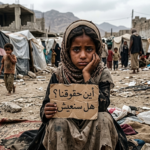

In this opinion piece, Seyaj President Ahmed Al-Qurashi reflects on the complexity of intervening in child-protection cases, especially cases of forced or early marriage where families, social pressures, and the absence of state protection systems all shape the outcome.
He explains that protection work is not driven by emotion alone. In many situations, the family supports the marriage, the girl herself may appear to consent, there is no safe shelter available, and there is no national law establishing a safe minimum age of marriage. In such conditions, interventions can become dangerous for the child if they are not carefully planned.
Al-Qurashi argues that Seyaj’s primary duty is to protect the child in a way that truly serves the child’s best interests and avoids placing her in greater danger. He warns against emotional social-media campaigns that pressure protection specialists without understanding the risks, consequences, or the practical question of where a child will go if she can no longer remain with her family.
The article emphasizes that defending children’s rights requires caution, professional judgment, and realistic protection options, not impulsive public mobilization.